


The Government of Malawi has officially launched Phase Two of the African Phytosanitary Programme (APP), marking a key step towards modernising pest and disease surveillance in the country’s agriculture sector.
The programme aims to shift Malawi from paper-based systems to digital tools, improving efficiency in monitoring plant health and responding to pest outbreaks.
Speaking during the launch in Salima, Secretary for Agriculture, Irrigation and Water Development, Erica Maganga, said the initiative will strengthen agricultural systems and support improved market access.
“This programme will help the country transition from paper-based systems to digital tools, improving efficiency in monitoring plant health,” Maganga said.
Plant health officials say the shift to digital systems will enhance early detection and response to pest outbreaks across the country.
One of the plant health inspectors, Anness Kaderu, said the new approach will improve data collection and speed up surveillance processes.
“Previously we were using paperwork, which took a lot of time, but now we are shifting to digital tools which make data collection faster and more efficient,” Kaderu said.
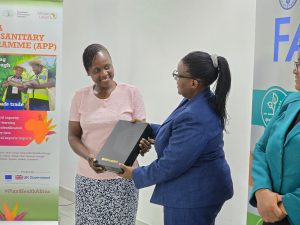
The programme is supported by development partners, including the Food and Agriculture Organization (FAO), and is expected to boost Malawi’s access to international markets through improved compliance with phytosanitary standards.
Assistant FAO Representative in Malawi, George Mvula, said plant pests continue to threaten food security and agricultural trade.
“Plant pests pose a serious threat to food security and limit the competitiveness of Malawi’s plant products in global markets,” Mvula said.
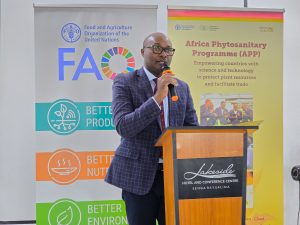
The African Phytosanitary Programme is an initiative of the International Plant Protection Convention and the African Union, aimed at strengthening countries’ capacity to prevent and control plant pests and diseases.
#MBCDigital
#Manthu
