


Luzi Health Centre in Mzimba North has been operating without water for almost a decade now, a development that is not only affecting actual health care service provision, but also compromising the general sanitation and hygiene at the facility.
The surrounding communities are now worried that if the situation continues, the facility may no longer be curing but transmitting infections.
Each day at the clinic starts as usual, with the waiting room occupied and the other side mothers with babies on their backs, waiting to be attended to with hope.
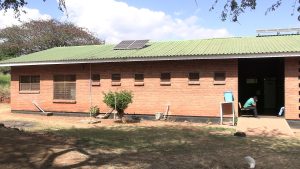
But there is one thing the nurses don’t have to provide: water.
This morning, one of the health officials found us already at the facility.
But never mind, like most mornings, the worker starts her shift by checking a dry sink which used to have running water sometime back. The water was generated by solar energy.
The health worker spoke to us on condition of anonymity, confirming that there was no clean water for washing hands, sterilising medical equipment and even for some patients who might be required to take drugs instantly.
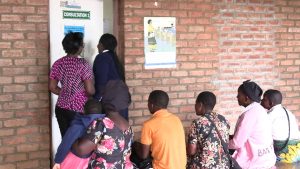
According to this worker, the solar system stopped working way back because one of the equipment got lost and efforts to have it restored are not materialising.
“Apart from being a nurse, as a human being, what happens here leaves a lot to be desired. You can see for yourself no water on the premises nor in the buckets,” the worker complained.
“Sometime back, eight villages surrounding the facility embarked on an initiative of making turns to draw water from a borehole so that they can be used at the health centre, but for this week we did not see any,” the health worker added.
At this point health workers expressed discomfort in attending to us and referred the reporters to the District Health Office, probably to protect their jobs.
Our efforts to get experiences from the patients also yielded futile.
However, the four hours we spent at the facility, we saw not only patients, but also some visitors, and some of them were seen looking for water.
Your question is sim
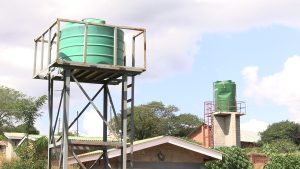
ilar to ours; do they wash hands after visiting some areas prone to infections, like the toilet?
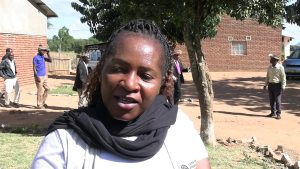
We went into a surrounding village which is under Village Headman Robertson Chavula, where we met Catherine Mkandawire.
She said as community members they are failing to find a solution to the problem.
The borehole which was closer to the clinic, where they used to draw water and provide to the clinic, got damaged about three years ago.
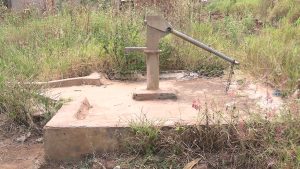
“We indeed developed a roster for eight villages to be drawing water and supplying at the facility on a daily basis but nowadays it is difficult to fulfill it may be because people are tired also considering that a nearby borehole got damaged,” Mkandawire explained.
She said in 2024 World Vision Malawi donated another borehole in the community, where the hospital staff, the school and the villagers fetch water from.
Village Headman Robertson Chavula says the communities are now living with fear, realizing that the facility meant for curing is slowly turning into a death trap.
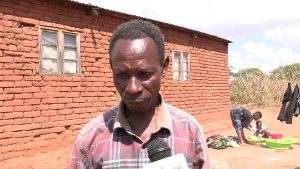
“The hospital receives visitors and patients implying that infections can easily be spread if the culture of washing hands regularly is no longer in practice,” Village Headman Chavula explained.
“In addition to that, some patients require taking medicine instantly and without water they cannot be effectively assisted,” he said.
Days before we published the story, the community, through the citizen’s voice forum, summoned duty bearers to discuss the matter including other problems they face.
A representative of the District Commissioner for M’mbelwa District Council Mercy Ghambi, expressed hope that the issue will be solved through the 5 Billion Kwacha Constituency Development Fund (CDF).
She said as per requirements of CDF, the council already engaged the communities on the developments they would prioritise and therefore they should wait for implementation.
Meanwhile, Water, Sanitation and Hygiene (WASH) activist Willies Mwandira says stakeholders must not wait for the worst to happen.
“There is no way we should be watching a health center operating without safe water, it is not recommendable and as a country we need to ensure that hospitals are an example on issues of water and sanitation,” Mwandira said.
A few months ago, the World Health Organisation gave credit to Malawi for a landmark Sanitation Order, Executive Order number 2 of 2026.
The order, decreed by the State President Professor Arthur Peter Mutharika, mandates the provision of water, sanitation and hygiene facilities in all public places.
As the district councils are implementing the executive order, situations like the one at Luzi Health Centre deserve a priority.
Luzi Health Centre serves over 8000 people across eight villages.
Until the water from the solar energy is restored, every patient, every nurse; every new life that begins here will start with the same question: “Do we have water today?”
By Musase Cheyo
