


By Meclina Chirwa
Water is the quiet foundation of safe motherhood. It cleans delivery rooms, protects newborns from infection, and preserves the dignity of women at their most vulnerable moment. When it is absent, childbirth becomes a gamble.
At Nkhuzi Health Centre in Ntchisi District, a year without water has become a living nightmare for pregnant women and new mothers. Yet every month, the facility registers about 21 live births. 21 mothers who must deliver and recover in a place where taps are dry and buckets are scarce.
On a metal-framed hospital bed lies Soflet Mangani, 35, her newborn wrapped tightly against her chest.
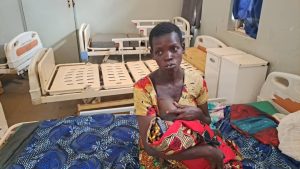
Exhausted, with her eyes sunken, her voice barely above a whisper, “I am worried,” she says quietly.
“I have to walk almost 100 metres just to fetch water. As a new mother, you need water for everything, cleaning yourself and caring for the baby,” she said.
Her guardian, Marigerita Goliati, watches closely, anxiety etched across her face as other women shuffle past carrying plastic buckets after fetching water from a community borehole, 100 meters from the facility.
“This affects all of us,” she says. “Pregnant women, new mothers and guardians,” she said.
For health workers, the situation has turned routine care into daily improvisation.
Noel Ngwata, the medical assistant and officer-in-charge at Nkhuzi, says the absence of water undermines even the most basic medical procedures.
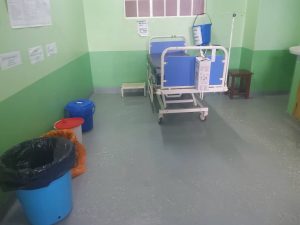
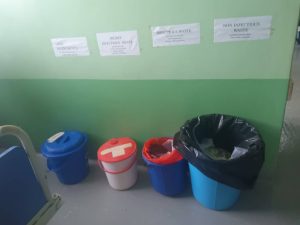
“Without water, infection prevention becomes a challenge. We want to give quality care, but our hands are tied,” he explains while shaking his head in frustration.
The situation is particularly troubling given that Nkhuzi once had a solution. In 2023, WaterAid installed a solar-powered water tank to supply the facility.
For a time, water flowed again. But the system later developed technical faults. Since then, it has remained broken with no concrete efforts made to repair it.
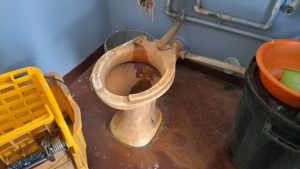
Health officials confirm that while the facility recorded complications last year, none were directly linked to maternal or neonatal deaths.
Still, experts warn that prolonged water shortages in maternity wards increase the risk of infections for both mothers and newborns.
Health activist George Jobe says ” We always say that water is life, and now when it comes to WASH with regards to the health center, they are almost.
If they are missing in any health facility apart from talking about maternal and child health, water, hygiene and sanitation are very paramount.

Coming to the issue of maternal health, water is very important. If that is not happening, then there is a risk of infections that can affect the mother and the newly born baby.
Therefore missing WASH in a maternity ward, it is like you are almost closing the maternity wing because it cannot function without water.”
Just a few kilometres away, the contrast is stark.
At Khuwi Health Centre, water runs reliably.
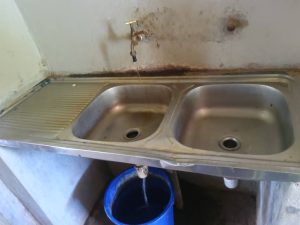
“I am so grateful for the steady water supply here. It makes all the difference,” says Milca Njovuyalema, a new mother, smiling as she gently rocks her baby.
According to Lest Longani, Senior Nursing Officer and Infection Prevention and Control Specialist at Ntchisi District Health Office, Nkhuzi’s situation remains deeply concerning.
“We acknowledge the seriousness of the problem and will work towards restoring water supply at the facility,” he said.
Elsewhere, functioning WASH systems are already transforming maternal care.
At Mpamba Health Centre in Nkhata Bay, Tamara Kumwenda, 23, describes a vastly different experience.
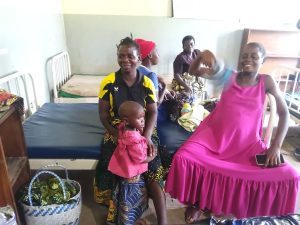
“We don’t struggle here,” she says. “Water is always available and the staff are supportive,” she added.
Mzuzu Urban Health Centre stands as another example of what sustained investment can achieve. Clean toilets, dependable water and well maintained maternity wards.
According to Taonga Nyirongo, Nursing Officer and Ward In-Charge at the facility, their top priority is ensuring that water is running.
At policy level, the call for action is growing louder.
Anthony Masamba, Chairperson of the Parliamentary Committee on Health, says the issue demands urgent attention.
“We are summoning the Ministry of Health to come up with a solid plan to invest in WASH infrastructure, and we’ll be lobbying for support to make it happen,” Masamba said.
Spokesperson for the Ministry of Health Adrian Chikumbe told this publication that Councils are responsible for sustaining and maintaining WASH services. The ministry only provides guidance.
“Operations and facilities are under the councils, where we come in only to provide guidance on what should be done,” he said.
According to the WHO/ UNICEF Joint Monitoring Program of 2023, 37% of HCF operate without basic water services, while more than half ( 54%) lacked basic hygiene in Malawi
Back at Nkhuzi, until water flows again, every birth here will carry an unnecessary risk.


