


As darkness falls over Kakumbi and Makokota villages in Mpamba, under Senior Chiefs Mkumbila and Timbiri in Nkhata Bay District, the sound of waves from Lake Malawi is quickly drowned out by blaring music, drunken quarrels and the clinking of beer bottles.
For many families, once peaceful nights have turned into endless hours of noise, fear and disorder as unregulated beer-selling points continue to mushroom within residential areas.
In some homes, children fall asleep to the sounds of fights outside their doors. By dawn, residents say, empty sachets, broken bottles and intoxicated patrons litter pathways used by school-going children and women heading to the lake.
“What pains us most is that our children are growing up believing this lifestyle is normal,” said Esther Phiri, a resident of Kakumbi.
“Every night there is noise, insults and fights right outside our homes. Sometimes, drunk people urinate openly or undress themselves without shame, even when children are around,” she lamented.
Traditional leaders say the problem has escalated beyond control.
Senior Chief Timbiri estimates that nearly half of the households in Makokota and Hiba villages are involved in beer selling or kachasu brewing, effectively transforming residential communities into informal drinking zones.
The outlets, many operating without proper regulation, remain open late into the night, disrupting peace and exposing young people to alcohol abuse at an early age.
Owen Mwambungu from Makokota said residents have slowly become prisoners of a lifestyle they never chose.
“The noise is relentless throughout the year. We are now used to it, but this was supposed to be a decent place for families to live peacefully,” he said.
For many families along the lakeshore, brewing kachasu and selling beer has become one of the few available sources of income amid rising poverty and unemployment.
Lucy Kaunda, who operates a kachasu brewery in Kakumbi, admitted that while the business affects communities, many households see it as a means of survival.
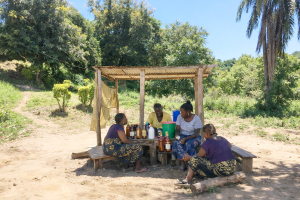
“The population has grown, and there are no designated places for pubs or breweries here. Most families depend on this business to survive because opportunities are very limited,” she explained.
Senior Chief Mkumbila described the situation as alarming, warning that the rapid expansion of beer outlets in residential areas is eroding discipline among young people and weakening social order.
“Beer outlets are supposed to operate in designated trading centres, not in the middle of homes where children are growing up,” he said.
He further called for stricter assessments and monitoring before licences are issued, arguing that some operators continue to violate regulations with little consequence.
Under Malawi’s liquor laws and district by-laws, alcohol-selling outlets are expected to operate within approved trading areas and observe regulated business hours.
Residents allege enforcement remains weak, letting some operators run businesses beyond permitted hours and in prohibited locations.
Nonetheless, Nkhata Bay Police Deputy spokesperson, Devoter Mithi, says law enforcement agencies are preparing intensified operations to restore peace and order in affected communities.
Malawi Bureau of Standards (MBS), whose responsibility includes ensuring that products consumed by the public meet required safety and quality standards, admitted that illicit brews such as kachasu largely fall outside formal regulatory systems because they are produced and sold in unlicensed spaces.
“Kakumbi and Makokota in Mpamba are unregistered markets, so we cannot take any action there. Our mandate only covers products sold in registered or formal markets,” said Annie Kalonjere, Public Relations Officer for the MBS.
Health authorities warn that the impact extends beyond noise and public nuisance.
Senior Health Promotion Officer at Nkhata Bay District Hospital, Christopher Singini, said prolonged exposure to excessive noise and alcohol abuse poses serious public health risks.
“Noise pollution can affect concentration, mental wellness and contribute to stress and depression. At the same time, alcohol abuse fuels domestic violence, addiction and other social problems that place pressure on families and health services,” he said.
Social Welfare Officer in the district, Macsencie Chagomerana, acknowledged that authorities have previously conducted enforcement operations, but admitted the problem persists.
“There is a need for collective effort to protect the younger generation from this environment. We will continue carrying out operations and awareness campaigns to address the situation,” Chagomerana said.
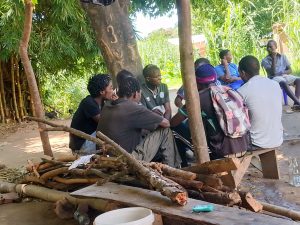
Nkhata Bay District Council Director of Human Resources and Administration, James Tembo, defended the council’s licensing procedures, insisting that licences are not issued carelessly.
However, he admitted that some operators disregard restrictions, particularly on operating hours.
“There are clear guidelines that must be followed, but some business operators ignore them. We intend to strengthen monitoring and enforcement so that those violating the law are held accountable,” he said.
Tembo further noted that regulating kachasu brewing remains difficult because the law itself prohibits the practice.
“Licensing kachasu would mean legalising an illegal activity, which current legislation does not allow,” he explained.
Kachasu, a locally distilled spirit made from fermented maize, sugar and other readily available materials, is often produced in makeshift and unregulated setups across rural communities.
By Evidence Banda, Nkhata Bay
